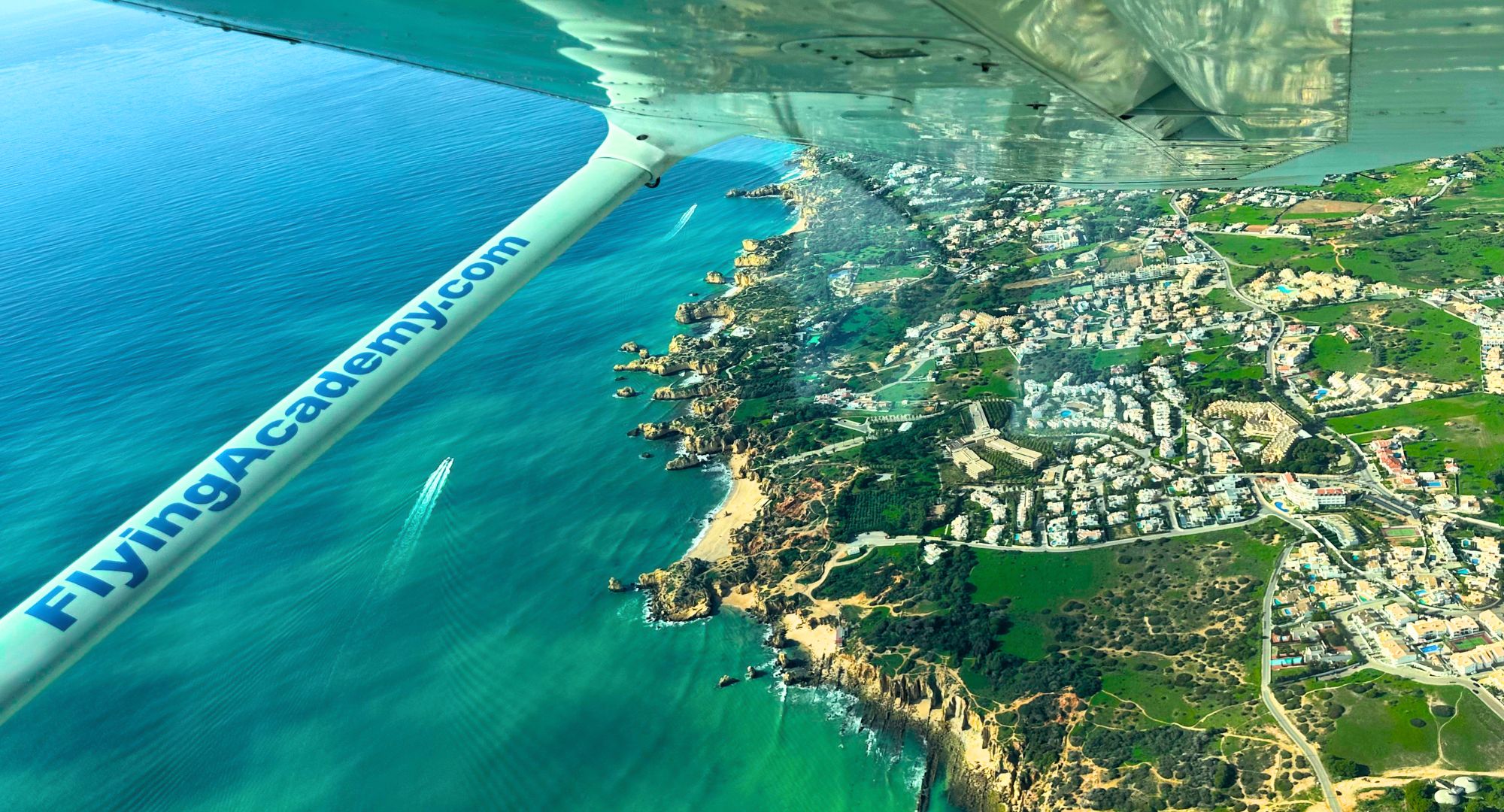
The Multi-Engine Piston – MEP is a step forward to your aviation dream.
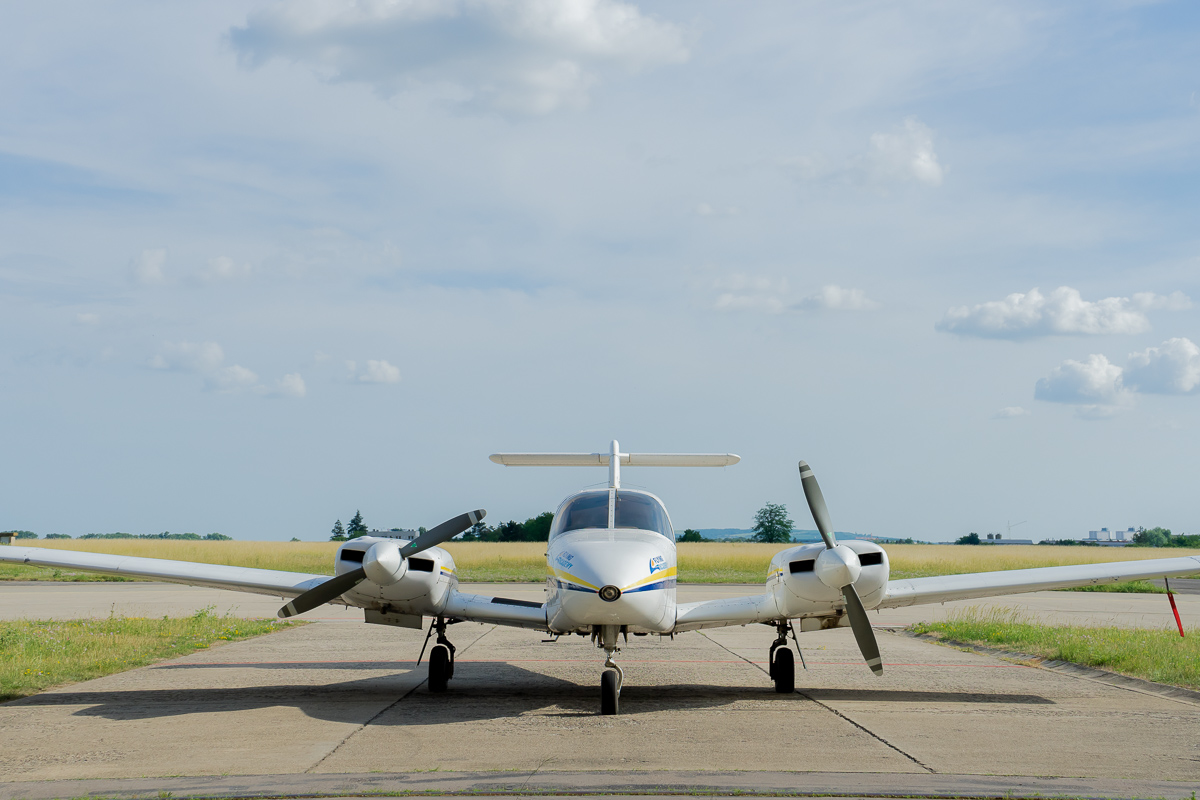
Attaining the EASA Multi-Engine Piston – MEP (A) rating extends privileges of EASA Private Pilot License – PPL (A) and Commercial Pilot License – CPL (A) which allows you to fly aircraft with more than one engine.
One of the main takeaways of the training is to understand the differences between a single engine piston and a multi-engine piston aircraft.
Once MEP(A) training is completed, the qualification will be added on your EASA Private Pilot License – PPL(A) or EASA Commercial Pilot License – CPL(A).
The Multi Engine Piston rating is valid for 12 months and is renewed with a flight test with a Flight Examiner.
Theoretical preparation takes 15 hours with an instructor, during which you will become familiar with the multi-engine piston airplane, systems, and aerodynamics. You will also learn the procedures and maneuvers that apply in multi-engine airplane during normal and engine-out operations under VFR and IFR
Buy Online Theory Now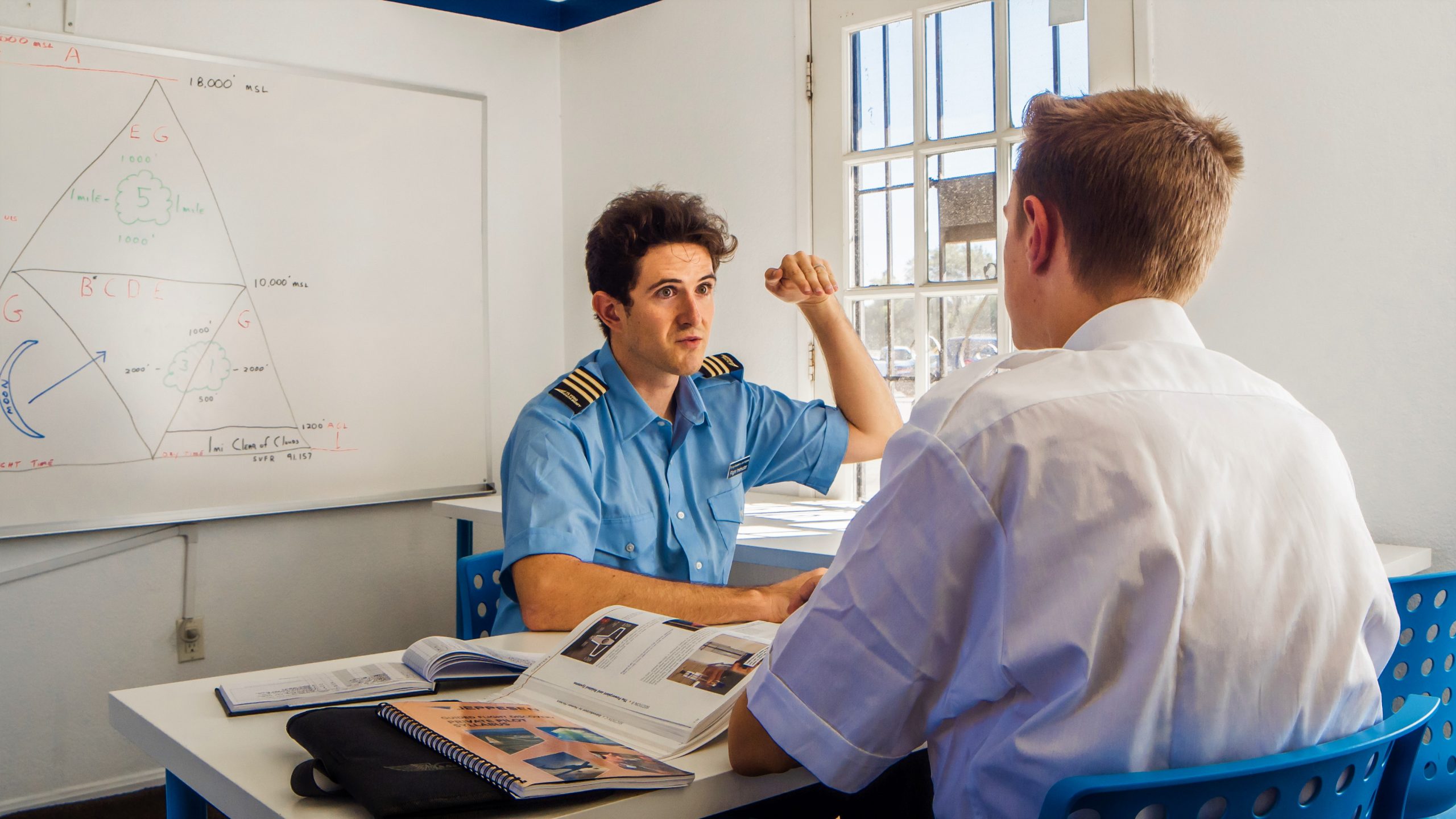
The flight training for a holder of IR(A) takes 11 hours (6 hours VFR and 5 IFR) of dual flight instruction.
The training is divided into 3 stages.
You will become familiar with the multi-engine airplane used in the training course and with the human factors concepts and issues relating to multi-engine operations. Additionally, through the introduction and review of multi-engine maneuvers and procedures, you will learn to fly the multi-engine airplane under day VFR conditions during normal two-engine operations. Minimum requirements according to Part FCL (flight crew licensing) is 2.5 hours during normal operation of an aircraft (with both engines).
You will learn the techniques and procedures required for the performance of engine-out operations in the multi-engine airplane. According to Part FCL minimum required time at least 3.5 hours of dual flight instruction in engine failure procedures and asymmetric flight techniques. In addition, you will conduct a review of the maneuvers and procedures performed in Stage I.
If you are Instrument Rating and desire instrument privileges in the multi-engine airplane, you will acquire pilot proficiency in the performance of required IFR operations and procedures in the multi-engine airplane. The instrument-rated student will meet the course requirements at the completion of this stage.

To prove your practical skills, you will need to pass practical flight test with an approved examiner.
You will need to prove your ability to:
A valid EASA Private Pilot License (PPL) or Commercial Pilot License (CPL).
A valid EASA Class I or Class II Medical Certificate (based on license held).
Proficiency in English – reading, writing, speaking.
Contact us today to start your EASA Multi-Engine Piston training.
Contact Us Now